
织文NovelWeave长篇与短篇工作台long & short form studio
写到第四十章,还能知道谁在第几章断了左臂。 A long-form studio that still knows who lost an arm back in chapter five.
把设定变成可校验的结构化状态,用机器规则查前后矛盾 —— 而不是靠你记住自己写过什么。开箱自带一本写完的示例书,下面每一张图都是它。 Settings become verifiable structured state, and machine rules catch the contradictions — instead of relying on your memory. It ships with a finished sample book; every screenshot below is that book.
它解决什么What it fixes
长篇写崩,很少是因为没灵感,多半是因为前后对不上:死人又开口说话、伏笔埋了没收、上章断了臂的主角这章挥拳。人脑记不住两百章的设定;把全文一股脑塞给模型也不行 —— 上下文有上限,而且塞得越满越钝。 Long fiction rarely fails for lack of ideas; it fails because the text stops agreeing with itself — the dead speak again, a planted thread is never paid off, the protagonist who lost an arm throws a punch. Nobody remembers two hundred chapters of settings, and dumping the whole manuscript into a model doesn't work either: context is finite, and the more you cram, the duller it gets.
织文的做法是把设定落成可校验的结构化状态:角色卡、世界规则、伏笔登记表、时间线、每章的状态矩阵。写作时不喂原文,只喂一份有字节预算的派生上下文;超出预算裁掉了哪一节,会如实报出来,绝不静默丢。检查由 31 条机器规则完成,带稳定指纹、严重度与退出码,能直接进 CI。 NovelWeave turns settings into verifiable structured state: character cards, world rules, a promise ledger, a timeline, and a per-chapter state matrix. When writing, it feeds the model a derived context with a byte budget rather than raw prose — and if a section has to be dropped, it says so instead of silently vanishing. The checks run as 31 machine rules with stable fingerprints, severities and exit codes, so they belong in CI.
开箱有一本写完的书A finished book in the box
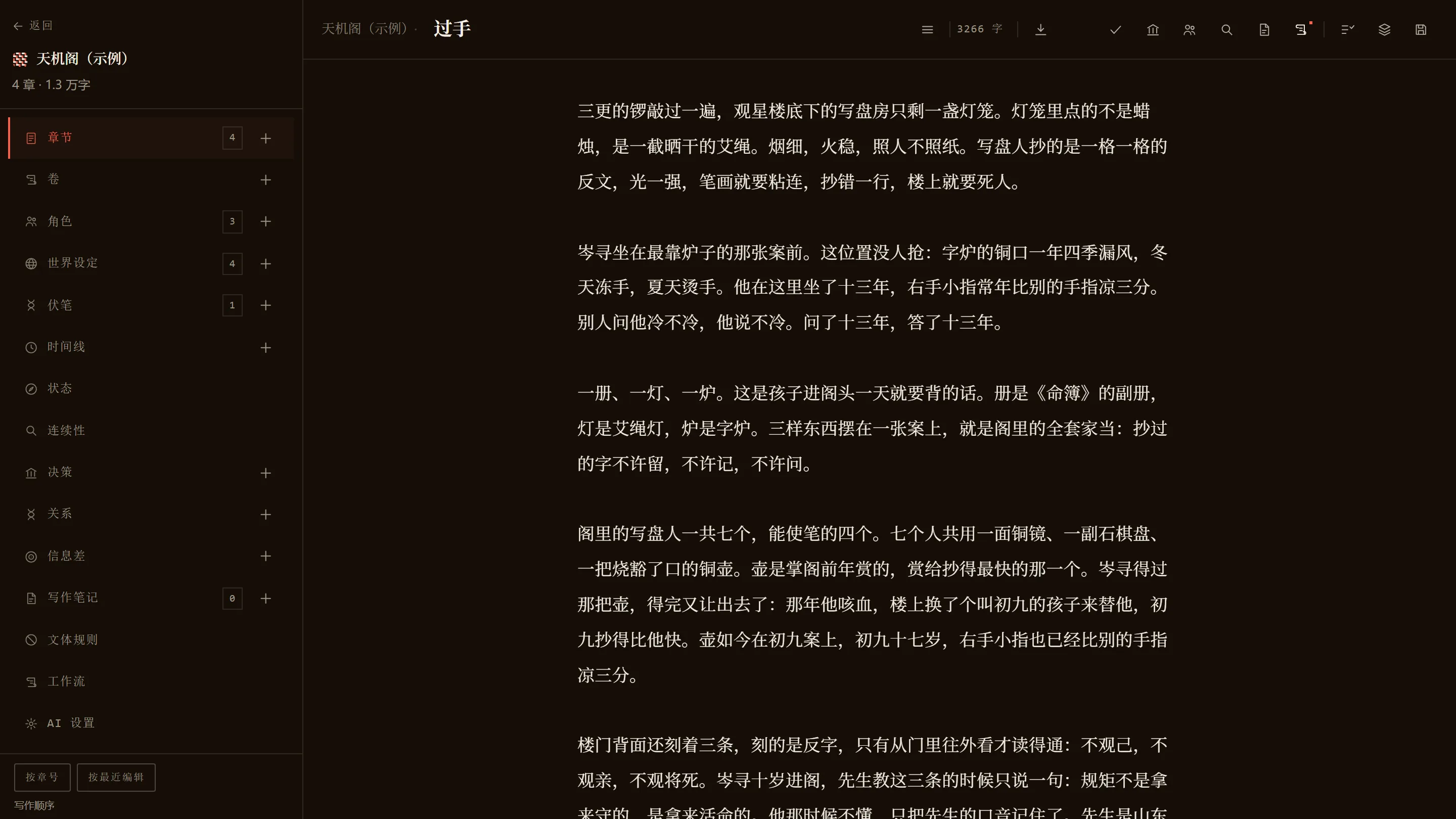
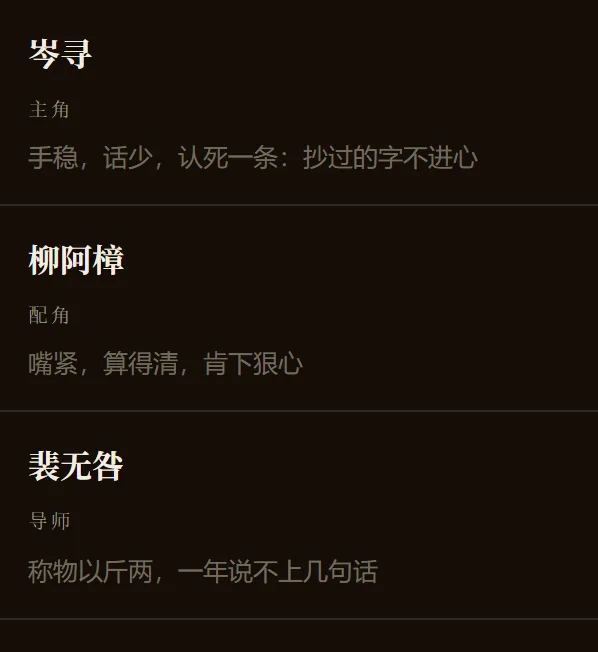
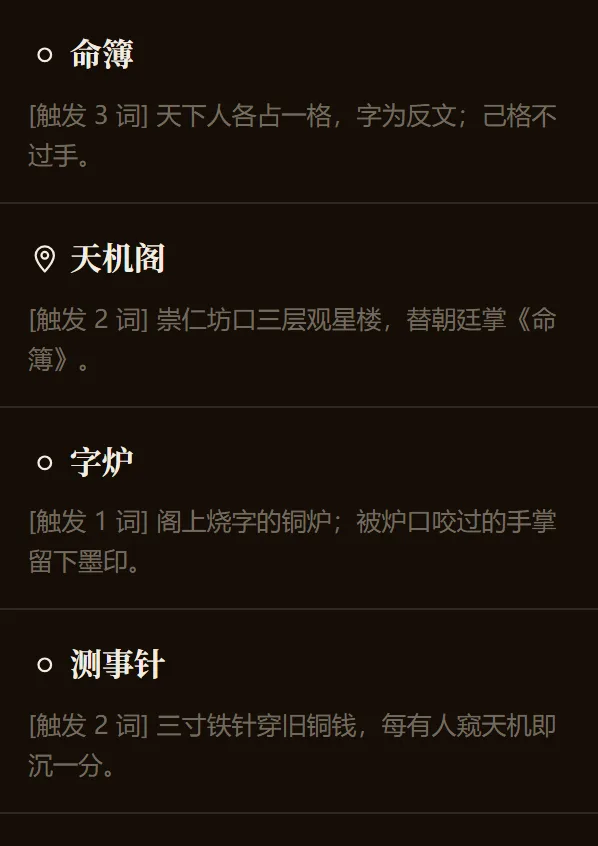
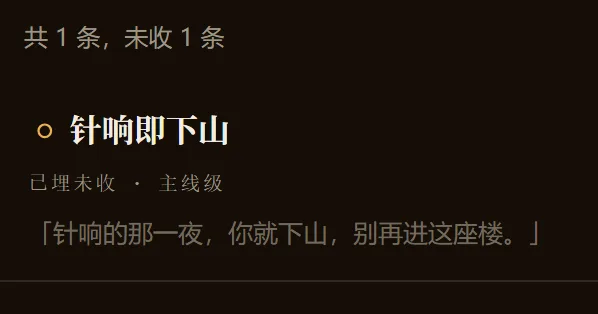
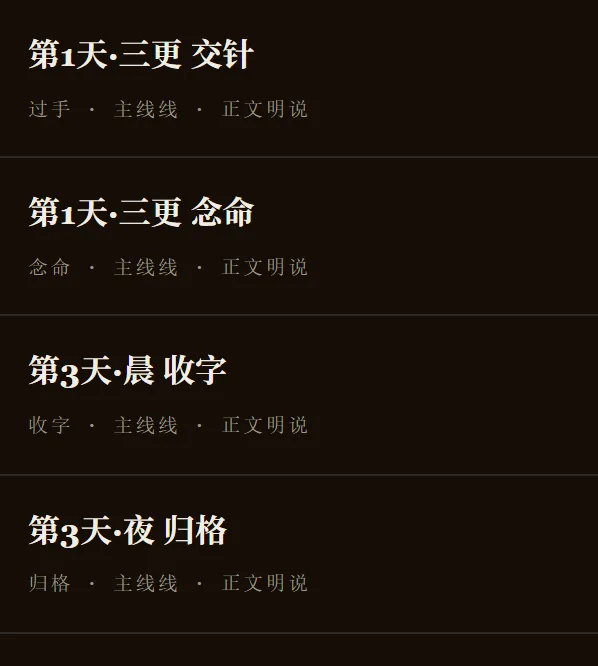
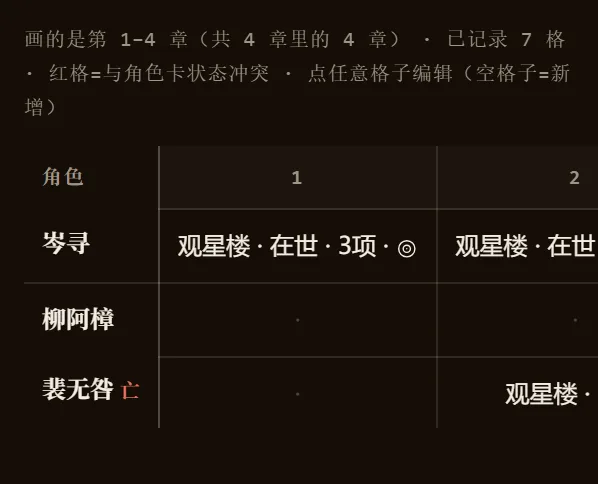
首页点「载入示例书看看」,拿到的不是一段占位文案,而是一本四章的书:《天机阁(示例)》· 东方玄怪 · 12952 字。它是用织文自己那套约定写出来的样书 —— 3 张角色卡、4 条世界设定、1 条未收伏笔、4 个时间线锚点、7 行分章状态矩阵,全部在库里,随便点、随便改、删掉也不影响你自己的书。 Press "load the sample book" on the home screen and you get a four-chapter novel, not placeholder text: Tianji Pavilion, 12,952 characters of Chinese fantasy. It was written against NovelWeave's own conventions — 3 character cards, 4 world entries, 1 unpaid promise, 4 timeline anchors, 7 rows of per-chapter state — all live in the database, clickable, editable, deletable without touching your own books.
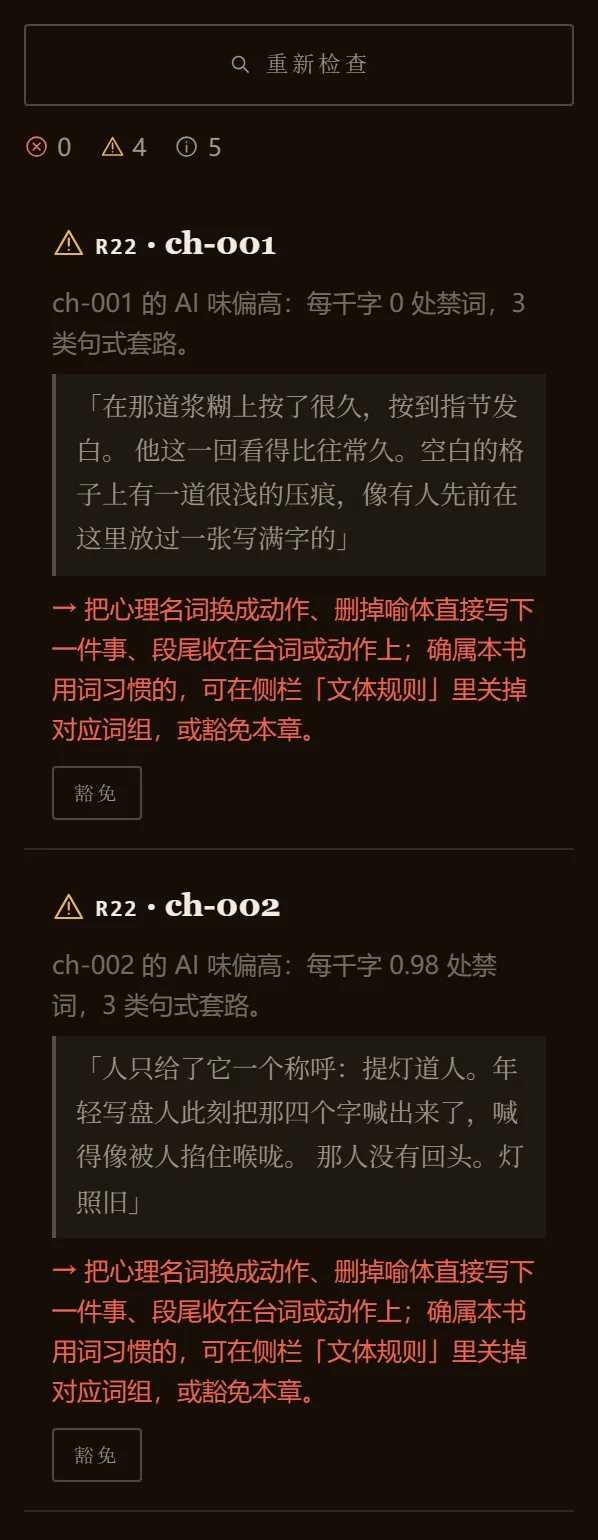
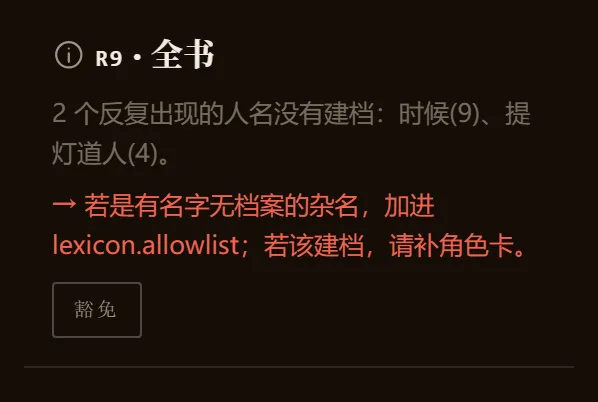
它也没有被调成一盏绿灯都不亮的满分卷:出厂机检 0 error / 4 warn / 5 info。四条 warn 是 R22 抓到本书的短句节奏像 AI 腔,五条 info 里有一条 R9 至今还在报「时候」这个不像人名的词。留着它们是有道理的 —— 面板上一路绿灯教不会你任何事,而 warn 与 error 的分工恰恰是最需要看懂的那一课。 Nor was it tuned until every lamp was green: the factory check reads 0 error / 4 warn / 5 info. The four warnings are R22 noticing that this book's short-sentence rhythm resembles AI filler; one of the five infos is R9 still flagging a word that merely looks like a name. They stay on purpose — an all-green panel teaches you nothing, and the error/warn split is the lesson worth seeing.

一次检查长什么样What a check looks like
同一本书导出成 .novelweave/ 目录后,命令行那份检查跑出来是这样 —— 下面这段是真跑的输出,一个字没编;0 error / 4 warn / 5 info 一共九条,这里只贴了两条(一 warn 一 info),其余从略。
Export the same book as a .novelweave/ tree and the command-line check prints exactly this — every character is from a real run. There are nine findings in total; two are pasted here (one warn, one info), the rest omitted.
每条诊断都写着它命中在哪里 —— 章级的报章号,书级的那条写着「全书」;带引证的把那段原文直接贴出来,命中位置算得出来的点一下就跳到那一章那一句,再附一句怎么办。误报是刻意收住的:裴无咎死于第 2 章,第 3、4 章里他只能被提及 —— 「裴无咎的断尺」这种领属提及不算本人在行动,所以全书 0 error;不同叙事线的时间永不互相比,多线并行是合法叙事。 Every diagnostic says where it fired — a chapter id for chapter-level findings, "whole book" for the book-level ones; the ones with evidence quote the passage, jump to that exact offset when an offset exists, and add what to do about it. False positives are bounded on purpose: Pei Wujiu dies in chapter 2 and may only be mentioned afterwards — a possessive ("Pei Wujiu's broken ruler") doesn't count as the man acting, so the book stays at 0 errors; timelines on different threads are never compared, because parallel threads are legal storytelling.
设定长什么样What the settings look like
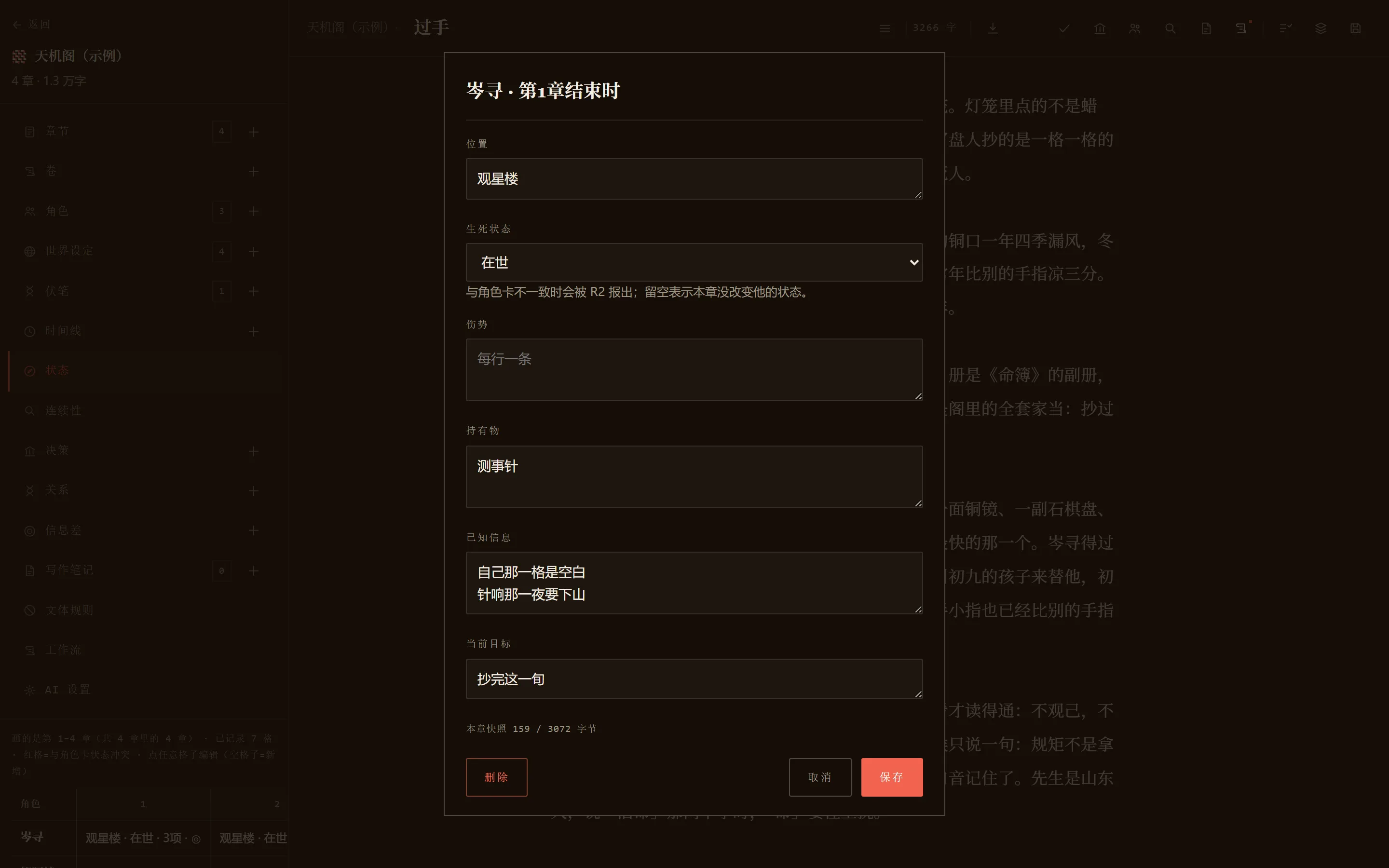
「结构化」这个词说了一百遍,不如把面板摊开。下面五张是示例书在侧栏里的原样,第六张是点开一格之后的编辑器。面板住在 300px 宽的侧栏里,截图时把导航那一列临时收起才放得下整张表 —— 你在应用里滚到面板看到的是同一张表,宽度没有为了截图改过。 "Structured" is a word; a panel is evidence. The first five shots are the sample book's own sidebar panels, the sixth is the cell editor. The panels live in a 300px sidebar; the nav column was hidden while shooting so the table had room — the same table you see when you scroll to it, at the same width.
能力Capabilities
.novelweave/ 目录存在:正文是 Markdown,状态是 JSON,可进 git。网页与命令行 agent 改同一份,导入时逐条三方比较,两边都改过的不自动覆盖。九个命令行工具各带自家开关清单,写错的开关退 2 给你看,不是静默收下。The web app and CLI agents edit the same tree; a three-way merge never auto-overwrites a record both sides touched. All nine CLI tools reject unknown flags with exit 2 instead of swallowing the typo.写作的循环The writing loop
- 先翻一本现成的 —— 载入示例书,把上面那些面板逐个点一遍。四章书、七格状态、九条诊断,比读三页说明快。Read the sample first — load the bundled book and click through the panels. Faster than three pages of documentation.
- 起书 —— 新建作品,或用
adopt把已有散稿一键建档,或「拆书」把别人的章节逆向成结构模式。设定落成角色卡、世界条目、伏笔登记表、状态矩阵,不再散落在几百个文档里。Start a book — create one,adoptexisting drafts, or deconstruct a chapter into a structural pattern. - 配 Key(可选,但推荐) —— 设置页选服务商,免费档就能跑:智谱 GLM-Flash、硅基流动免费模型、火山豆包日更额度(yu.ai/key.html 收录了各家免费额度)。Key 只存本机。Bring a key (optional) — free tiers are enough; the key never leaves your browser.
- 逐章写作 —— 续写自动注入:出场角色、状态快照、未结线索、前情摘要、触发的世界设定、硬禁令(死者名单 / 到期伏笔)、以及你自己定稿的文风样例。生成完先过机器规则自检一轮,修订稿与诊断一起交给你。Write chapter by chapter — continuation injects cast, state, open promises, recap, world lore, hard bans and your own style samples; the draft passes a machine self-check before reaching you.
- 落账 —— 「总结本章」一键写回摘要(不写回就等于录了没人读的事实);谁受了伤、谁知道了什么,走提案确认进状态矩阵与伏笔表。Settle the ledger — chapter summaries feed future context; state changes go through proposals into the matrix and ledger.
- 校验与带走 —— 连续性面板随时体检,诊断带引证可跳转;导出
.novelweave/目录,命令行 agent 与网页读写同一本书;要出书还有 EPUB。Verify & take it with you — the continuity panel audits on demand; export the tree and CLI agents share the same book; EPUB export is there when you're done.
它不做什么What it won't do
- 不评分文字好坏。「去 AI 痕迹」只做能确证的那一半:自带一组按组可关的禁词规则(R22),写前注入清单、写后扫高频 AI 腔调并给出处;但「这段写得好不好」它不下判断 —— 那是另一类专业能力,混在一起做必然两头都做浅。No ratings on prose quality. The "de-AI" part only does what's verifiable — a toggleable ruleset (R22) injects a banned-pattern list before writing and scans high-frequency AI phrasing afterwards — but it never judges whether a passage is good; that's a different craft, and mixing the two does both poorly.
- 不从零批量生成整本书。没有"一键 50 章"。No one-click 50-chapter book.
- 不替你决定设定。任何状态变更先提案,作者点头才写入;AI 可以建议,不能静默改写既定事实。No silent edits to your canon. State changes are proposed first and applied only on your say-so.
- 不发明第二套格式。只认
.novelweave/,字段有 schema,非法结构先停。Only one file format. Schema-validated; invalid structure halts the run.
这一节是刻意写的。同类工具最常见的失败方式,是声称自己什么都能做。同理,本页所有截图都是应用里的真渲染:生成类功能(续写 / 自检 / 派生上下文预览)要配了 Key 才跑得出东西,所以这一页没有它们的图 —— 不拿设计稿冒充截图。 This section is deliberate. The most common failure in this category of tool is claiming it does everything. For the same reason, every screenshot here is a real render: the generation features need an API key to produce anything, so this page simply doesn't show them — no mock-ups passed off as captures.
上手Getting started
- 网页直接用 —— 点上面「进入织文」,创建作品即可写作。不配 API Key 也有一半功能是可用的:结构化状态、状态矩阵、连续性检查全在本地浏览器里跑;配了 Key(任意 OpenAI 兼容接口)才有续写、润色、总结与拆书。Just open it. Half of it works with no API key at all — the state matrix and the continuity checks run entirely in your browser.
- 已有几十章稿子 —— 用
adopt建档:草稿目录只读,章号不会被平移,判不出的章号它会拒绝而不是猜。Already have drafts?adoptthem: your files stay read-only, existing chapter numbers never shift, and anything unrecognisable is refused rather than guessed. - 让命令行 agent 帮你写 —— 仓库自带两个技能(写作编排 + 只读连续性检查),一条安装脚本分发到 Claude Code · Codex · Cursor · Qoder · OpenClaw · Hermes · WorkBuddy。Drive it from an agent. Two bundled skills, one installer, seven agent runtimes.
- 定期导出备份 —— 数据在浏览器里,清站点数据会一起丢。设置页有单文件快照、
.novelweave/目录与 EPUB 三种导出。Back up regularly. Browser storage is the only store; export a snapshot, a directory tree, or an EPUB.
浏览器要求:需要支持 IndexedDB 与现代 ES 的浏览器;.novelweave/ 目录读写依赖 File System Access API,不支持时用单文件 JSON 备份走同一套合并逻辑。
Requires IndexedDB and modern ES; directory read/write uses the File System Access API, with a single-file JSON fallback that runs the same merge logic.
终态形态The endgame
从一句话的想法,到百万字的长篇 —— 每一层设定可校验,每一段生成有安全网,每一次覆盖可回退。作者只做决定,织文负责不忘。 From a one-line idea to a million-word novel — every layer of settings verifiable, every generation netted, every overwrite reversible. You decide; NovelWeave remembers.
conflicts/,但要人手工合)、版本历史的并排 diff、开关取值的第二道闸(不认识的开关已经退 2,认识但配了个野值的还在静默兜底)。A conflict-resolution UI for dual writes — records changed on both sides already land in conflicts/, but merging them is still manual — side-by-side diff for revision history, and a second gate on flag values (unknown flags already exit 2; a known flag with a nonsense value still falls back silently).终态里没有"一键生成五十万字"这一项。织文认定:写作工具的责任不是替你产出字数,而是保证你产出的每一章,和第一章仍然站在同一个世界里。 The endgame deliberately excludes "one-click 500k words". A writing tool's job is not to produce word count — it is to keep chapter fifty living in the same world as chapter one.